
Automated Stockyard Management Solution
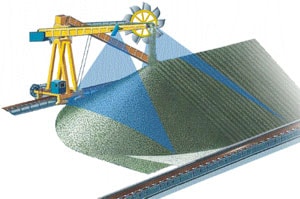
Our stockyard automation solution brings complete visibility across the organization and enables optimal stockyard management. The system implements a systematic approach to plan and operate stockyard activities while utilizing personnel and machinery efficiently. Hind Industec utilizes advanced 2D radar scanning systems to produce real-time information about stockyard conditions. The solution eliminates problems like air reclaiming, ground digging, and collision risks by continuously monitoring stacking or reclaiming operations and equipment positions in real-time. The variety of operating methods and multiplicity of materials has traditionally made it difficult to rely on anything except skilled operators. However, with our raw material management system, it is now possible to implement completely unmanned operations for any combination of stacker/reclaimer equipment. The system offers fully automated operations requiring only one operator presence in the central control room (CCR) to control the complete stockyard.
Complete Supply Chain Visibility
Effective business decisions require integrated systems with complete real-time visibility. Supply chain visibility of stock positions across all operational units, planning, logistics, and operations optimizes processes and increases productivity. Our revolutionary technology brings bulk inventory information online in real-time. The stockyard management solution offers 3D graphical views of actual stockpile boundaries and current equipment locations within the yard on a real-time basis. Changes in stockpile surfaces caused by external interferences such as dozers or pile collapses are tracked automatically. The system provides quick overviews of inventory types and quantities stored around the stockyard, along with detailed analysis tools to zoom and view cross-sections and effective utilization information.
Real-Time Inventory Tracking
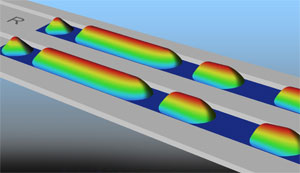
Data is valuable only when accurate and accessible in real-time. The inventory tracking module maintains records of all material handled by stockyard equipment. Properties including inventory volume, type, grade, density, and stockpile boundaries can be accessed through web-based systems in real-time. Different colors depict different stockpiles with respect to properties like grade, age, and density for easy visual identification in graphical overviews. A comprehensive reporting tool enables extraction of vital information about any material stored in the stockyard database, including material quantity, location, grade (important for blending different grades to obtain specified combined products), and age - all critical parameters for effective raw material management.
Intelligent Scheduling System
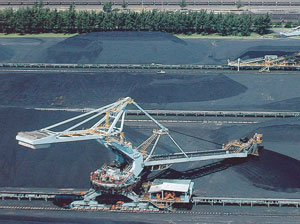
As demand arises, the system generates schedules for required equipment and converts these schedules into work orders for individual machines. Each scheduled task includes estimated time requirements for completing the work order and is queued accordingly for execution. This helps track equipment performance and guide operators to execute tasks without manual intervention, ensuring optimal utilization of resources and maintaining production schedules.
Automated Stacking Assistance
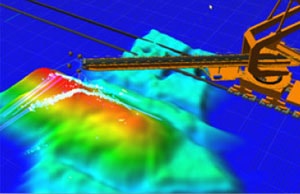
This feature calculates space requirements for stacking incoming inventory. According to ship/rake arrival plans, the system receives dispatched weight information and calculates space requirements, suggesting optimal yard areas where inventory can be stacked. The system also assists in controlling boom height during stacking operations to minimize dust generation and ensure safe, efficient material placement.
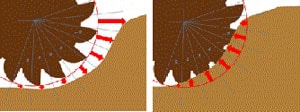
Precise Cutting Depth Control
The cutting span depth estimation feature monitors the depth of bucket cuts into stockpiles. To enable this control, the radar array measurement section is virtually divided into equal-sized zones arranged within approximately 100 degrees. These zones are numbered sequentially from the lowest point of the angle to its peak. The depth of the cutting circle into the stockpile is continuously updated and returned for all zones, enabling precise control of reclaiming operations and preventing equipment damage.
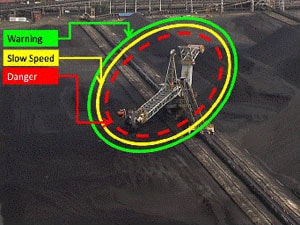
Advanced Anti-Collision Protection
The anti-collision and collision avoidance assistance uses radar positions to automatically alert operators if machines are within the vicinity of outer allowed operations boundaries. The system generates alerts and audible warnings in manual mode and automatically stops equipment in automatic mode. The system provides 3D visualization of anti-collision zones for enhanced safety awareness and operational control.
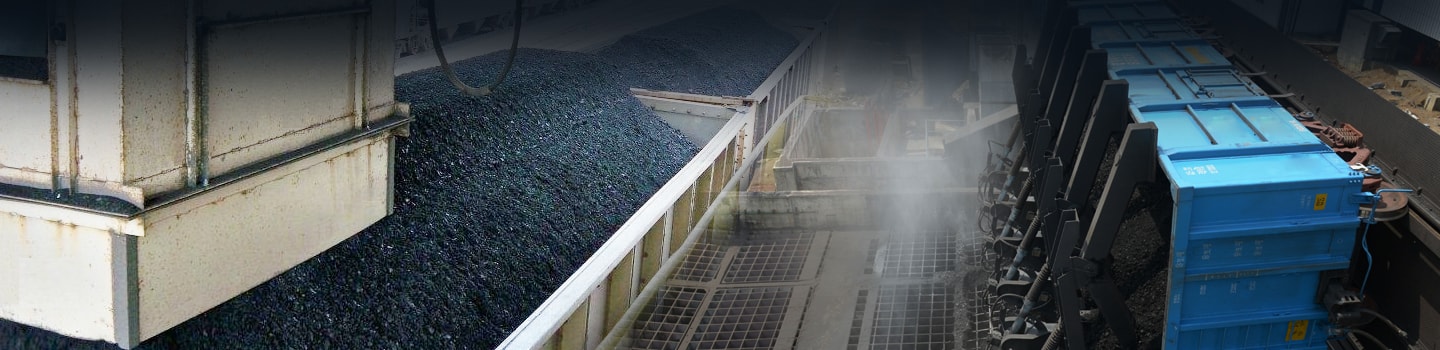
High-Precision Wagon Loading System
Our wagon loading system provides high-precision train loading using wagon and material-specific optimized loading profiles based on rated capacity declared by authorities and available residual material inside each wagon. To measure exact volume/weight and online filling height, Hind Industec utilizes 2D radar technology. The system connects with existing railway systems to exchange information, enabling seamless integration with transportation management systems.
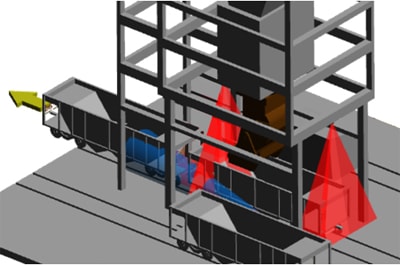
Residual Material Identification:
Train loading stations can be bottlenecks for bulk material operations. Wagon capacity utilization, existing residual material inside wagons, fill time, wagon identification and sequence, and spillage during shifting are challenges directly impacting overall performance and profitability. Wagon loading becomes costly when these parameters are unknown in real-time. Our radar-based system addresses all these parameters. Auto-scanning of wagons, automatic identification of edge frames, scanning of residual material, and prediction of volume based on rated capacity minus residual material are key functions optimizing the loading facility.
Spillage Prevention
Material spillage during wagon loading is a major concern. It occurs when material height doesn't align with rated capacity and when chutes shift to new wagons. Without real-time filling height measurement systems, operators rely on visual estimation, resulting in either under-loading or overloading. Under-loading means less material transported, while overloading causes spillage during train movement and demurrage charges. Chute gates should shift only when the chute mouth is positioned above the wagon requiring filling. Without real-time position and edge frame measurement systems, chute slide gates shift prematurely, resulting in spillage. The system reduces material spillage significantly during rake/wagon operations.
Wagon Loading System Features
- High-precision 2D radar scanners efficiently scan empty and loaded wagons
- Identify incoming wagons by type (differing dimensions) and sequence number
- Detect edge frames of incoming wagons (irrespective of type)
- Measure volume of residual materials from previous loads in incoming wagons
- Measure volume of material passing through belt at rake loading station
- Detect height and volume of filled material for optimal loading and automatic chute shifting
- Measure real-time moving speed of rake loading machines
Operational Benefits
- Optimal wagon capacity utilization reduces transport costs
- Shorter lead time increases manpower utilization
- Full wagon utilization without overloading risk controls demurrage costs
- Reduced/eliminated demurrage increases profit margins
- Reduced spillage minimizes material wastage
- Reduced operator staff requirements saves manpower costs
Conveyor Belt Monitoring System
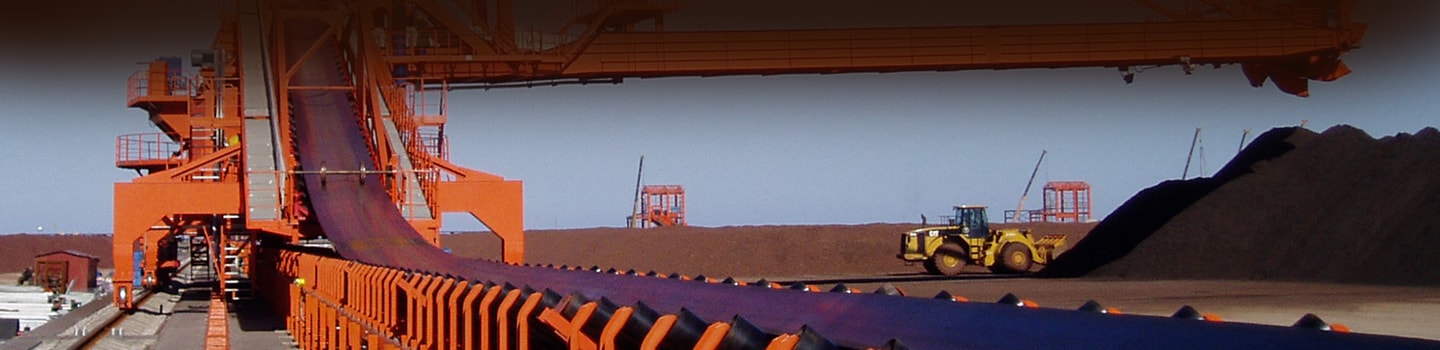
The conveyor belt tracking system provides belt speed, material load on conveyor belts, and belt misalignment detection. The 2D radar sensor with inbuilt motion sensor measures all three parameters in real-time and sends alerts to control room operators in case of deviations. The system provides interlocking capability where conveyor belts stop automatically if any key performance indicator reaches upper limits.
Advanced Belt Monitoring Technology
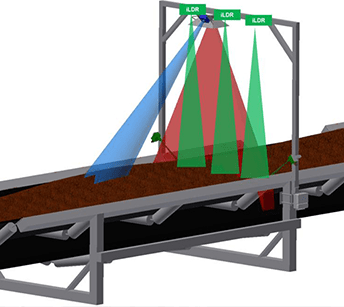
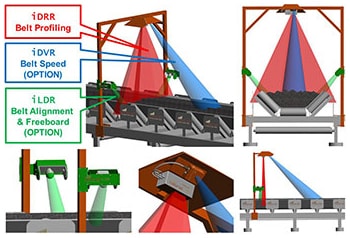
This modified conveyor belt solution measures material flow and material behavior on conveyor belts. The solution utilizes an array of high-speed Linear Dynamic Radar sensors (1000Hz measurement frequency with precision better than 1mm), a Doppler Velocity Radar speed sensor, and a Dual Range Radar. Besides detecting oversize rocks, this solution provides high-precision volume flow measurement of conveyor belt operations.
Operational Advantages
The belt tracking system measures belt speed, material load on conveyor belts, and belt misalignment. The 2D radar sensor with inbuilt motion sensor measures all three parameters in real-time, sending alerts to control room operators when deviations occur. The system provides interlocking capability where conveyor belts automatically stop if any KPI reaches upper limits, preventing equipment damage and ensuring operational safety.
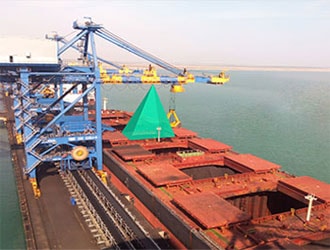
Integrated Ship Unloader Management
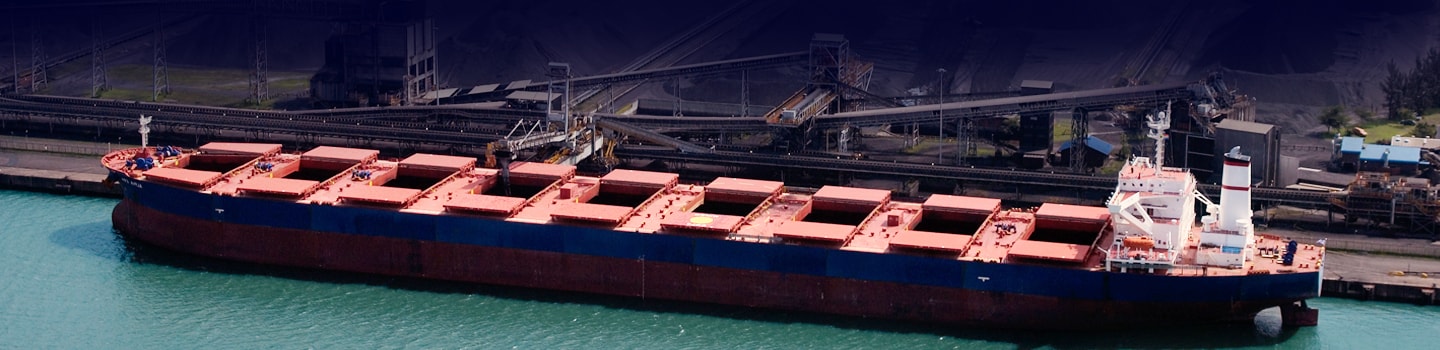
A single data source provides real-time visibility of equipment, inventories, and associated quality levels across the supply chain. The system helps organizations increase equipment and manpower efficiency while minimizing or eliminating risks like collisions and over/under-loading of inventory. Hind Industec provides an integrated view including process and quality information that enables real-time decision making, dynamic responses to process variations, and efficient satisfaction of order specifications.
Equipment Efficiency Optimization:
Equipment efficiency depends on utilization and can only be evaluated when measured in real-time during operations. The RMMS tracks operational efficiency of each piece of equipment in real-time and compares with standard operating procedures. This helps increase equipment productivity while providing real-time information on inventory being handled by equipment.
Inventory Loading Validation
The conventional method for determining material weight inside ship hatches is through draft weight measurement. While internationally accepted, many seek alternative validation systems. Our system provides exact volume measurements of material inside hatches, offering independent validation of loading quantities.
Hatch Scanning Technology
Viewing inside hatches from distances presents real challenges. 2D radar technology scans material falling inside hatches and pile surfaces. The system guides operators to fill material to maximum allowable height and weight while assisting in surface dressing operations.
Ship Unloader Features
- High-precision 2D radar scanners efficiently scan material inside hatches
- Detect height and volume of filled material for maximum allowed limit filling
- Measure volume of material passing through conveyor belts to ship loading stations
- Measure equipment efficiency in real-time
- Detect gaps between ship navigation systems and GSU to avoid collisions
- Detect hatch edge frames to avoid grabber-hatch collisions
- Detect objects (dozers) moving inside hatches to avoid grabber-equipment collisions
System Benefits
- Increased operational visibility enables faster, smarter decisions
- Enhanced safety increases equipment life and improves operational environments
- Optimal equipment utilization increases productivity
- Shorter lead times increase manpower and equipment utilization
- Reduced or eliminated demurrage increases profit margins
- Optimal ship hatch capacity utilization reduces transportation costs
Contact Us for More Information
Interested in learning more about our Raw Material Management System? Our team of experts is ready to answer your questions and provide detailed information about implementation, customization, and support.
Fill out the form below, and we'll get back to you within 24 hours.
Download RMMS Brochure
Get detailed information about our Raw Material Management System by downloading our comprehensive brochure. The document includes system specifications, case studies, and implementation guidelines.
Click the button below to download the PDF brochure.